
Should You Remove Cradle Cap? (What Happens If You Don’t)
Seeing cradle cap can feel unsettling.
When those yellowish scales appear on your baby’s scalp, it’s completely natural to want to remove them as quickly as possible.
Many parents feel an urge to “clear it up” straight away.
You might wonder:
Am I supposed to get rid of this?
Is it uncomfortable for my baby?
Will it get worse if I leave it?
These are all very normal questions.
Do you actually need to remove cradle cap?
In most cases, no.
Cradle cap is a common part of early skin development. It isn’t harmful, and it usually doesn’t cause discomfort for your baby.
It’s not something that needs to be aggressively removed.
In fact, trying to remove it too quickly can sometimes do more harm than good.
What happens if you leave it alone?
In many cases, cradle cap will gradually improve on its own.
As your baby’s skin matures and begins to regulate oil production more effectively, the build-up of scales often reduces naturally.
You may notice:
The scales soften over time
The scalp begins to look clearer
The condition slowly fades without intervention
It’s simply the skin finding its balance.
Why forcing removal can make things worse
It’s very tempting to pick or scrub the scales away, especially once they’ve been softened.
But this can:
Irritate the scalp
Disrupt the developing skin barrier
Lead to redness or sensitivity
The key is to avoid turning it into a cycle of:
soften → remove → irritate → repeat
A gentler way to approach cradle cap
Instead of focusing on removing cradle cap, it can help to think in terms of supporting the skin.
That means:
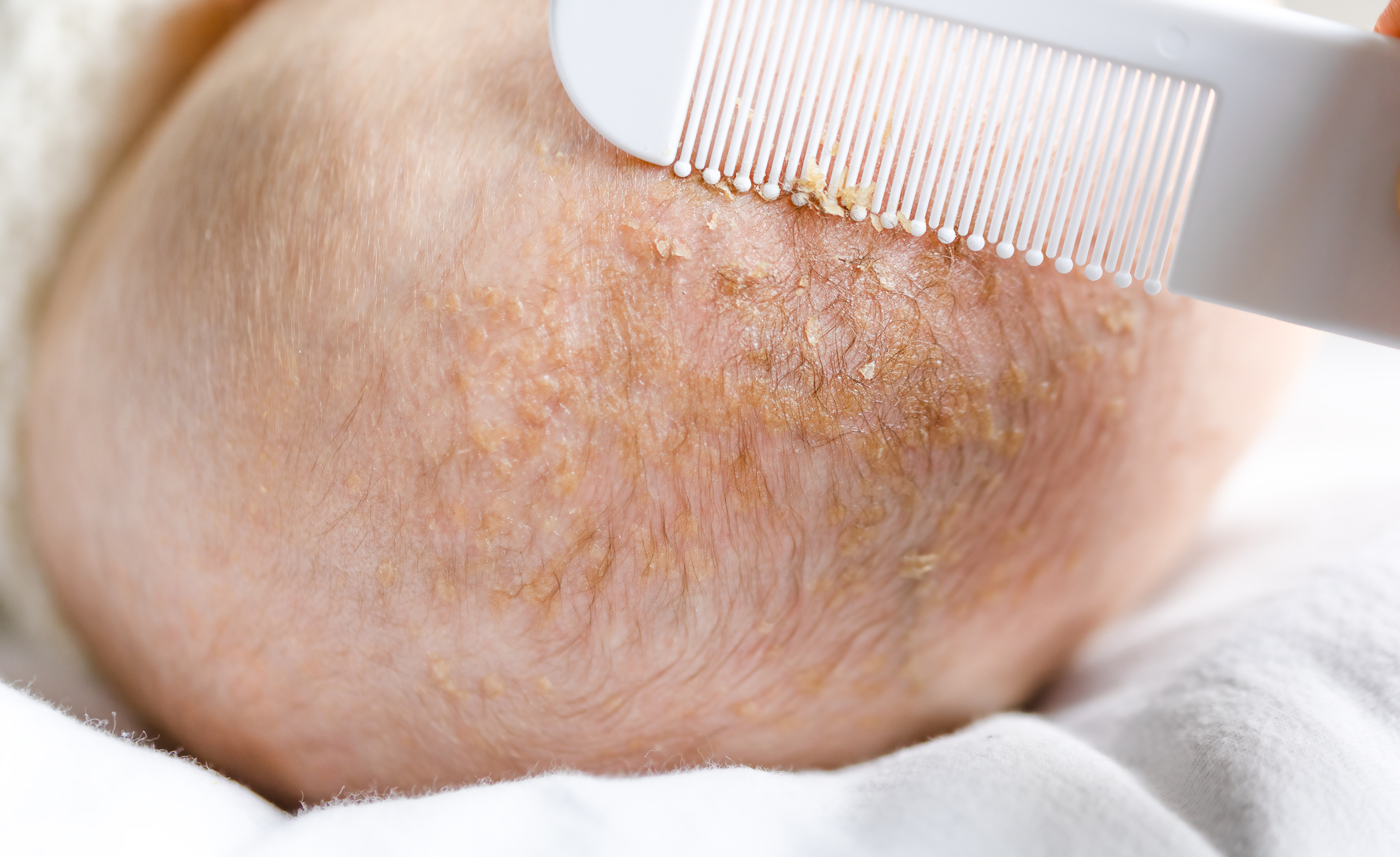
Softening the scales rather than forcing them off
Keeping the scalp comfortable
Allowing the skin time to regulate itself
Sometimes, doing less — gently — is far more effective.
Where a supportive product can help
In some cases, a simple, well-formulated salve can help soften the scalp and support the skin barrier without the need for constant washing or intervention.
The aim isn’t to strip or remove, but to create the right environment for the skin to settle naturally.
Final thoughts
Cradle cap can look concerning, but it’s usually a temporary phase.
It doesn’t need to be rushed, forced, or aggressively treated.
With a little patience and gentle support, your baby’s skin will often find its way back to balance on its own.
If you’d like to learn more about what causes cradle cap and how to care for it gently, you can read our guide here:
👉 https://www.everleafherbal.co.uk/post/understanding-what-causes-cradle-cap


