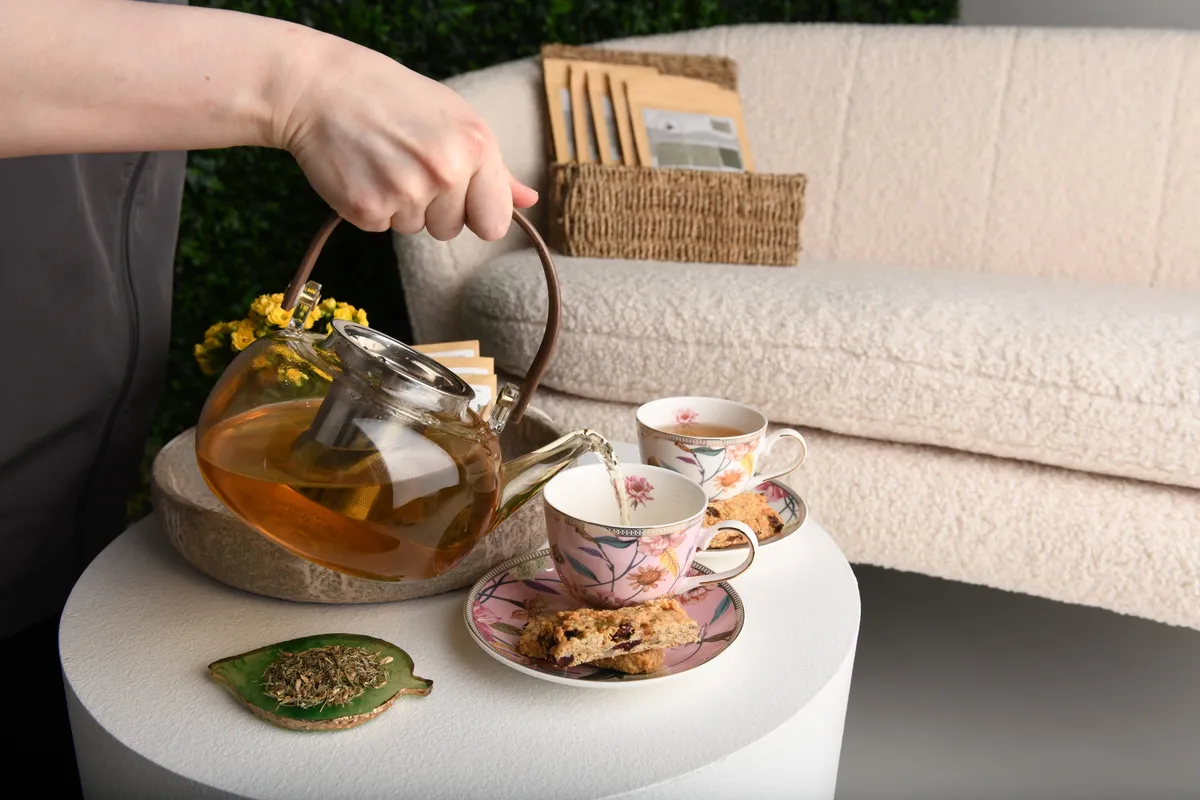
The Perfectly Imperfect Cup
It’s funny how something you do every day can set off a whole train of thoughts. That happened to me the other day when I was making a cup of Bloom Balance Day for my wife, Emi.
It’s something I’ve done so many times before, but this time I noticed that tiny bits of the herbs had got into the cup. That’s not necessarily a problem, but I started wondering how it might seem to someone making loose-leaf tea for the first time. Might they think they were doing something wrong?
Is There a Wrong Way to Make Tea?
Whichever of our range of teas you choose, your cuppa is supposed to be exactly the way that suits you best. And that includes how much or little of the loose bits of herb get into the brew.
Of course, there are useful guidelines you can follow, such as our brewing guide. In the end, though, the correct way to make tea is the way you like it, so experiment and see what works best.
Different Ways to Brew Your Tea
Different brewing methods give slightly different results. Some hold back more of the fine botanical pieces, while others let a little more into your cup. Neither means you’ve made it wrong. It’s about finding the method and texture you enjoy.
Bowl Strainer
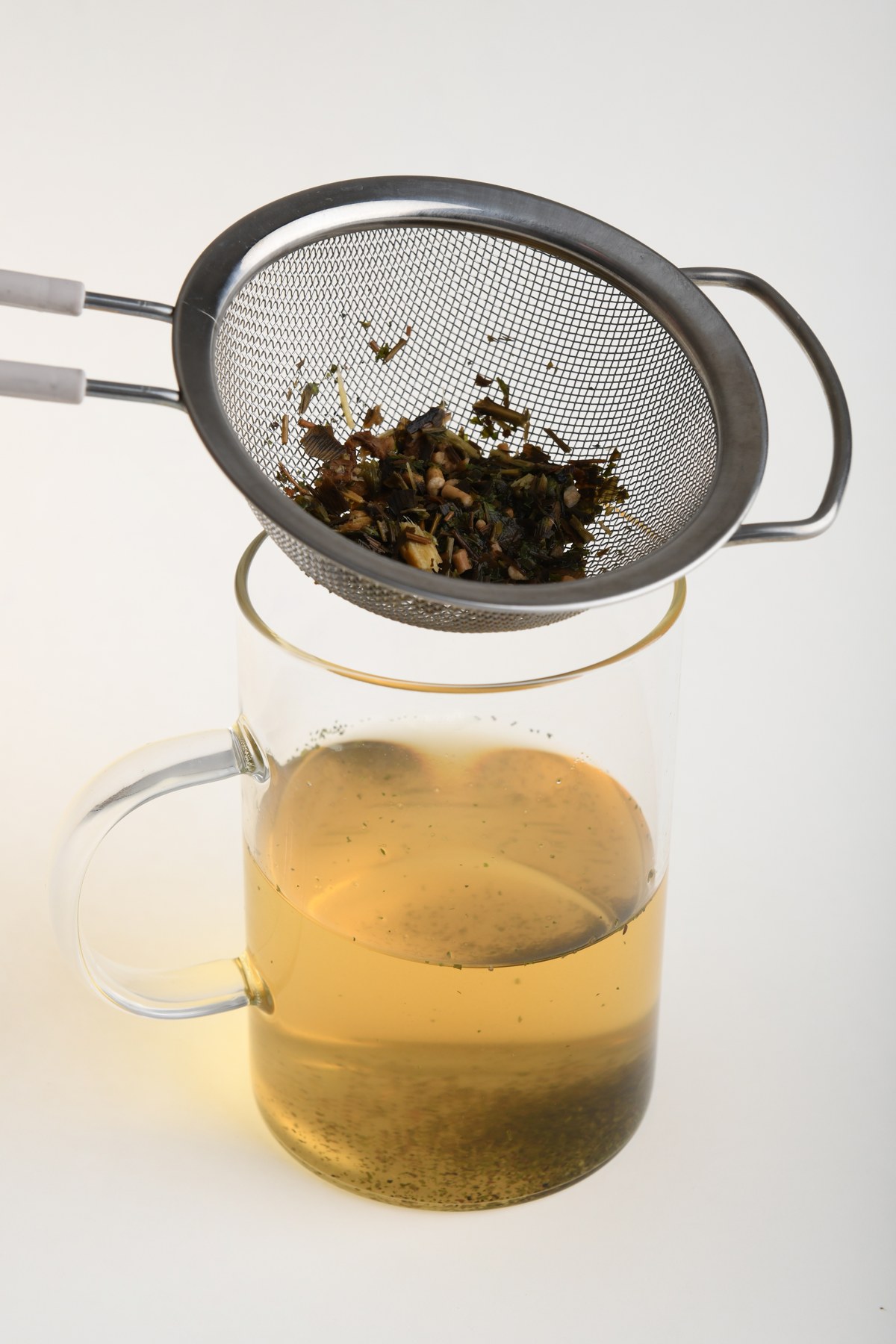
This is the most traditional method — a strainer that’s placed over each cup as you pour out from the teapot. If you were to be invited for afternoon tea at Downton Abbey, this is certainly the way the tea would be poured.
Bowl strainers usually catch the larger pieces of herb, but even a fine mesh can let smaller particles through, as you can see here. That’s a normal part of brewing with loose botanicals.
Strainer in Teapot
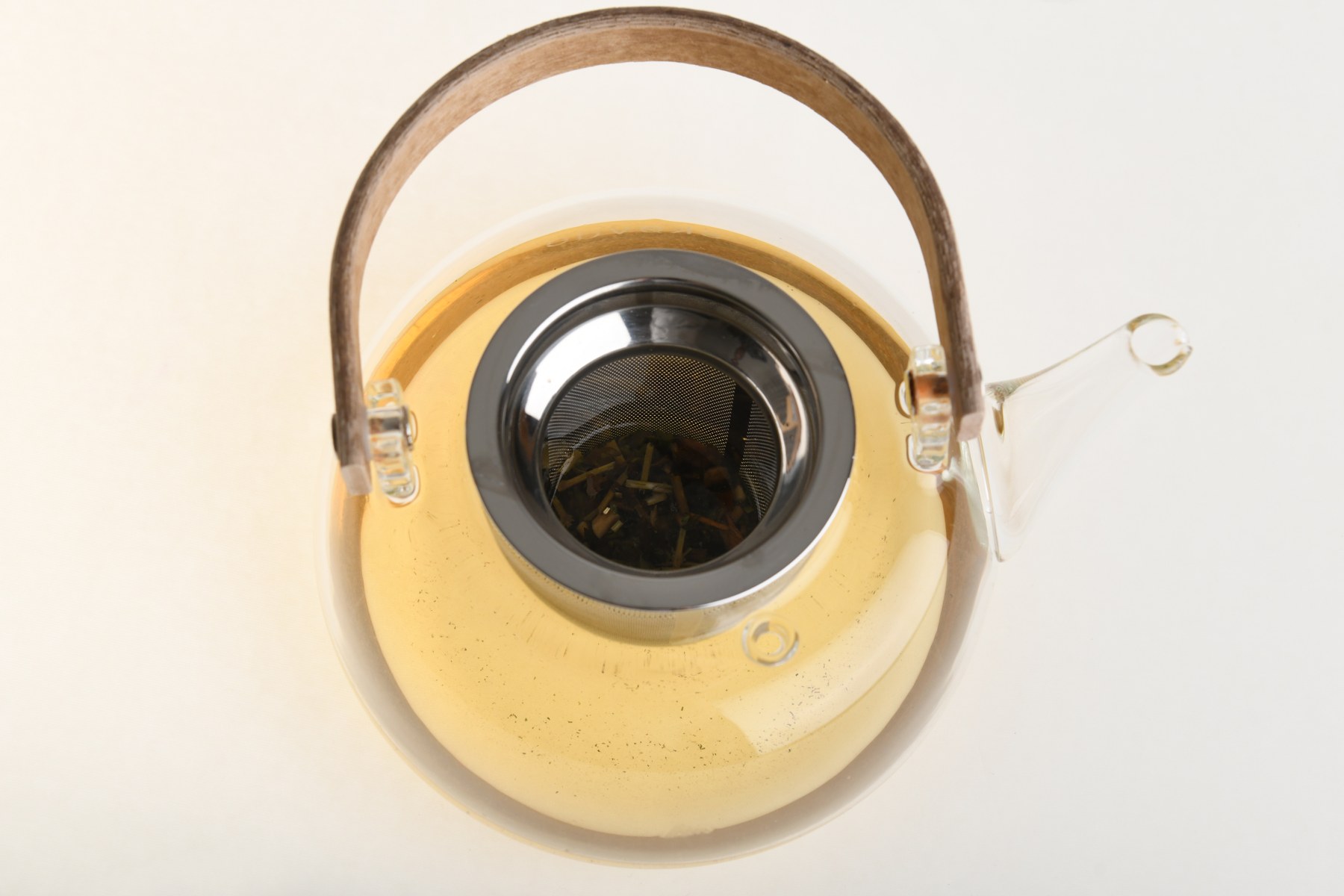
Another option is a teapot with a built-in strainer. This holds back some of the herbs as you pour, while finer pieces may still find their way into your cup. How much comes through depends on the strainer and the blend. A few botanical bits don’t mean you’ve brewed it incorrectly.
Individual Tea Strainer Ball
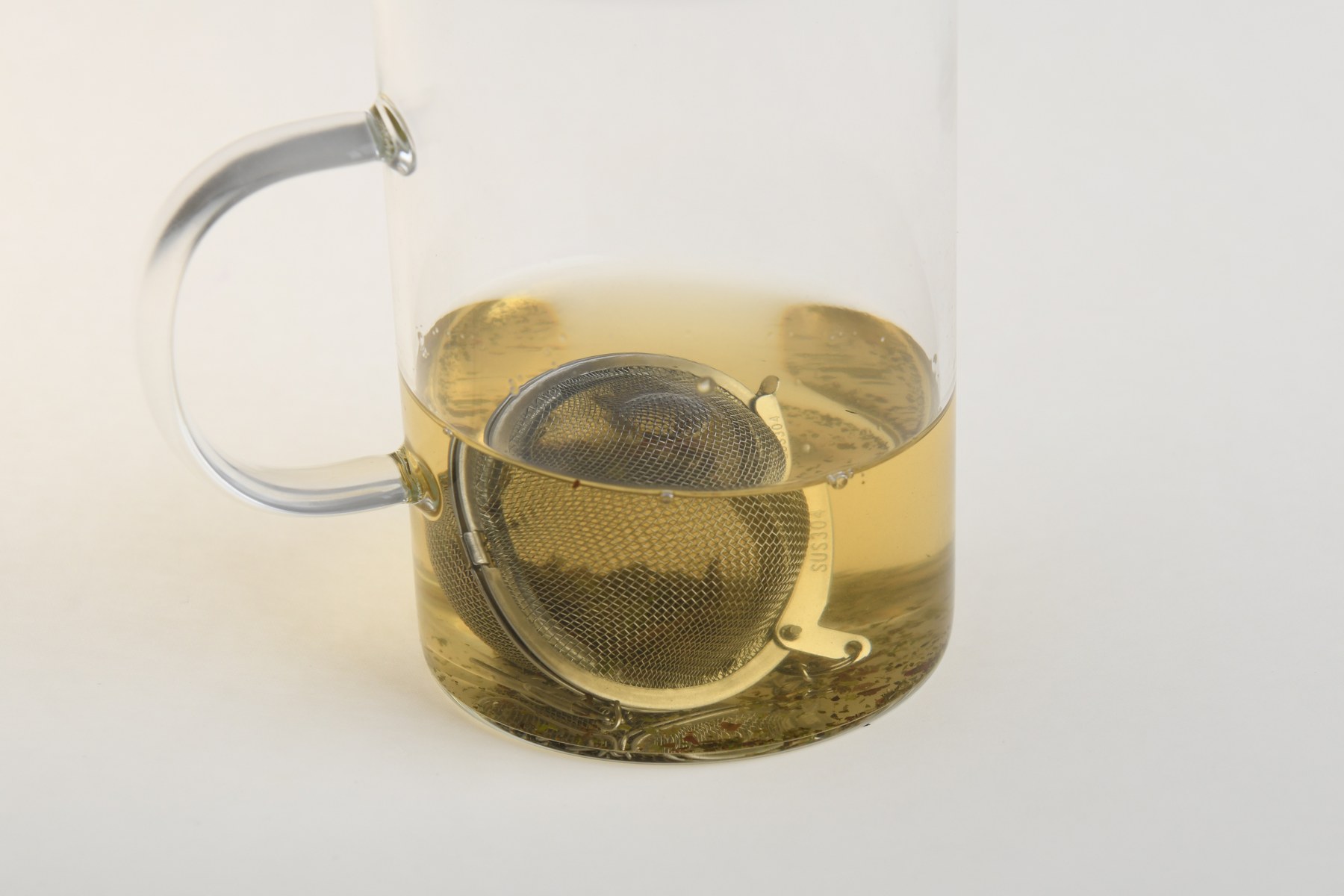
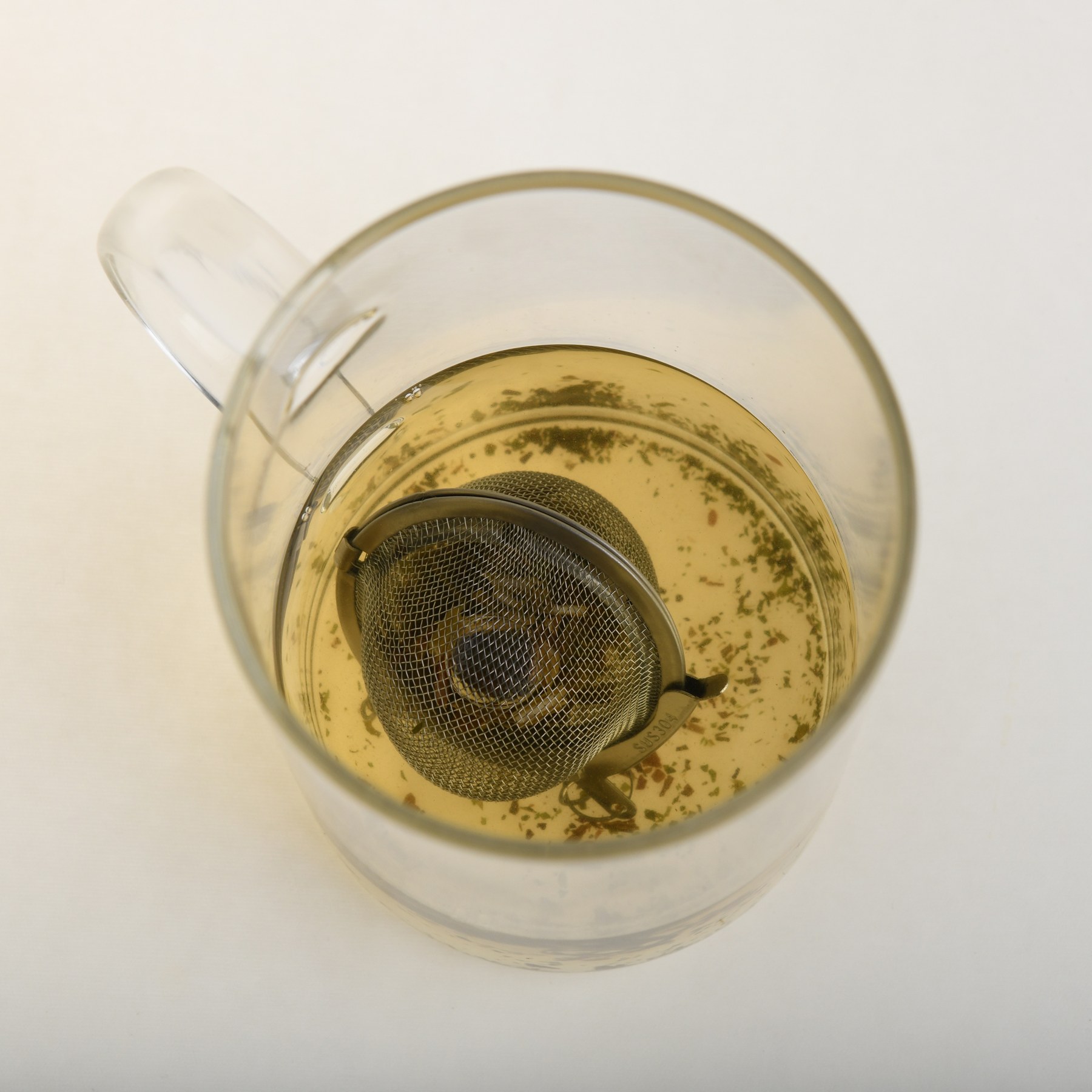
Also called an infuser or a steeper, this is designed for making a single cup of tea, rather than a full pot. The tea is put in a mesh ball, which can then be steeped in boiling water to make your drink.
The mesh varies between different makes and designs of tea ball. Some have a finer mesh than the one shown here, so the amount of botanical material that comes through depends on your particular infuser as well as the blend. Larger pieces of root or leaf may stay inside, while smaller fragments can pass through. This gives a slightly different cup from the other methods, rather than a better or worse one.
Those fine botanical pieces are a normal part of loose herbal tea. If you don’t enjoy their texture, you can leave the last sip in the cup or try a finer strainer. If they don’t bother you, there’s no need to aim for a perfectly clear brew.
Tea Bags
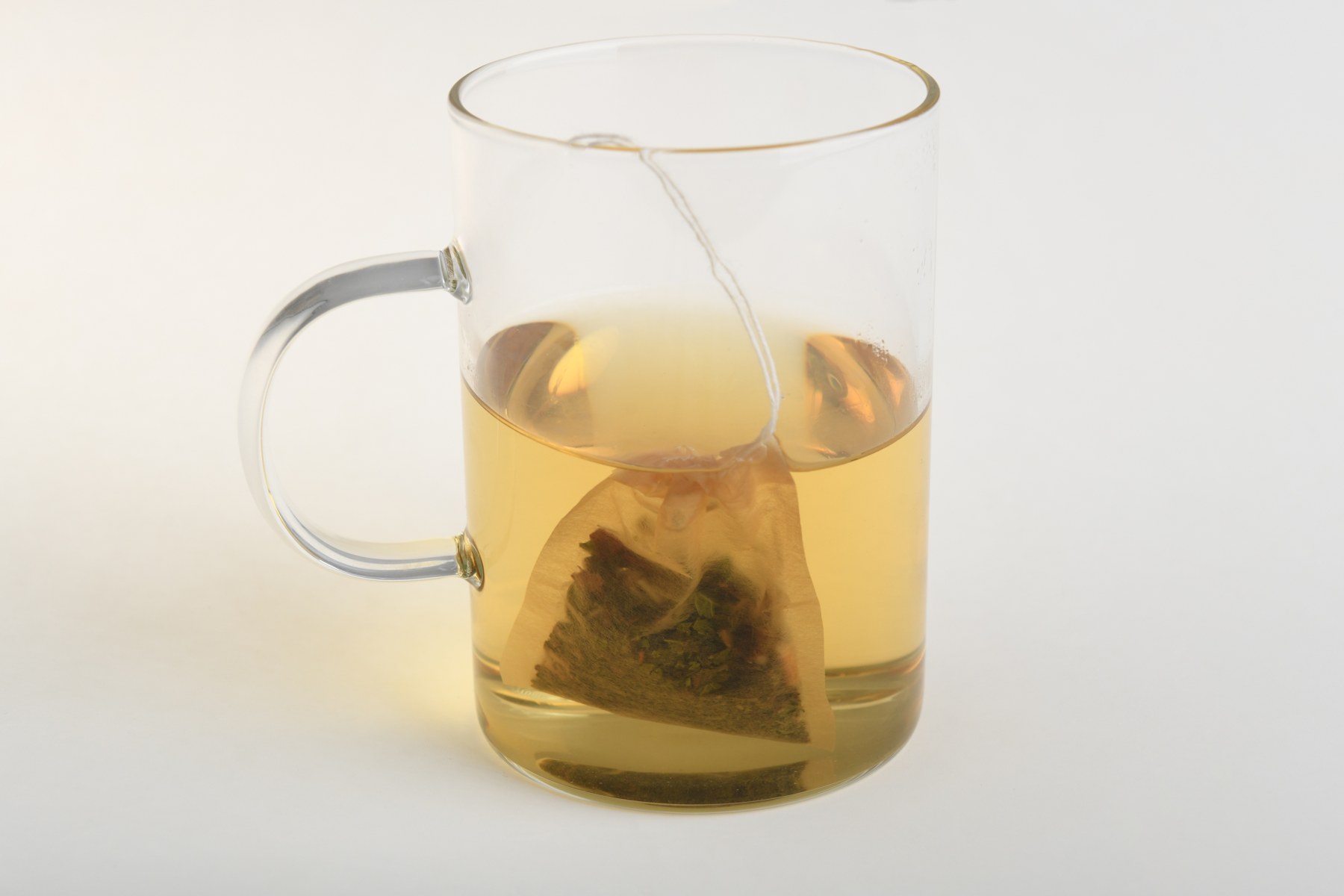
Fill-your-own tea bags are another option: add your chosen loose herbal blend and steep it in your cup or teapot. They hold the herbs together differently from a metal strainer, giving you another way to enjoy your brew.
Your Cup, Your Way
A few botanical bits at the bottom of your cup don’t mean you’ve made it wrong. Different herbs and brewing methods give different results, and you’ll soon discover what you enjoy.
Clear or a little cloudy, the perfectly imperfect cup is the one you look forward to drinking.
If you’d like to explore a new blend, take a look at our range of herbal teas.
Use the code FIRST3 for three First Brew teas for just £15.


